Watch Fit Guide for Your Wrist
Check how a watch fits your wrist using our interactive watch fit tool. Compare different watches against your wrist width to find the perfect fit with accurate visual guidance.
Watch Fit Tool
For sports watches, lug-to-lug (L2L) is what matters most — it decides whether a watch overhangs your wrist. Bulky is fine; overhang is not.
Measure at the point where you wear your watch — typically just below the wrist bone.
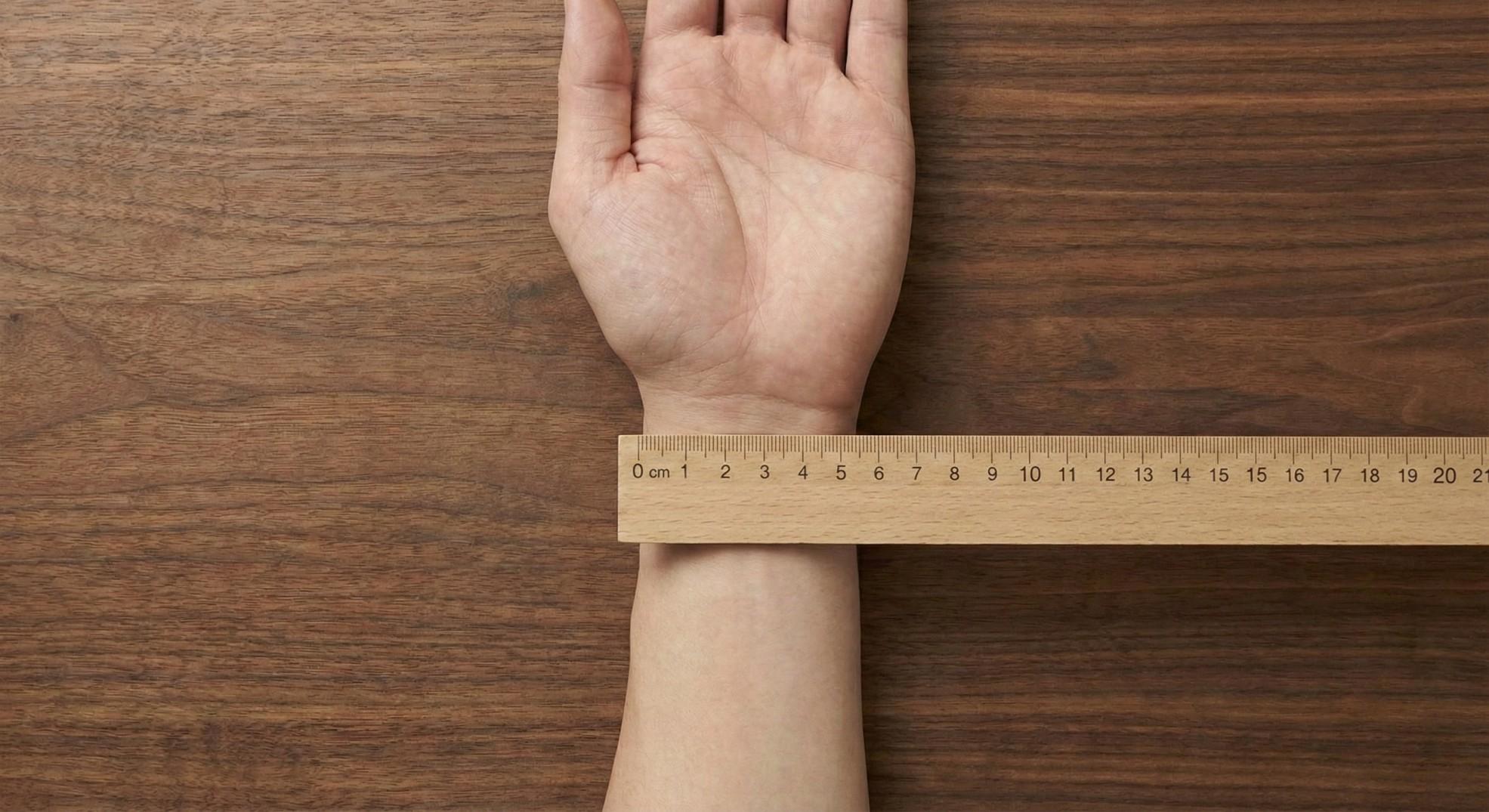
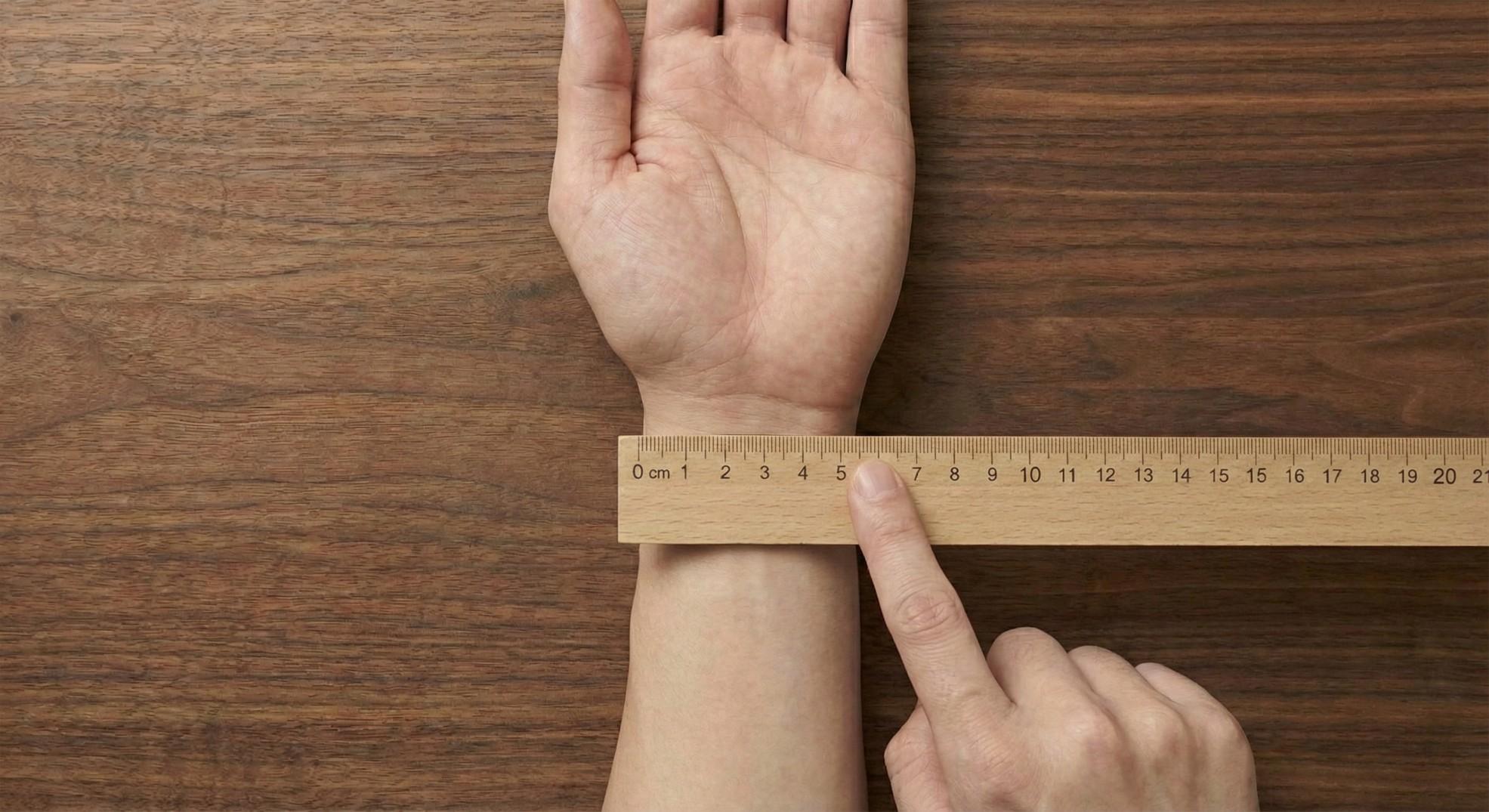
Flat width — lay your arm on a table, palm facing up, and measure straight across the top of your wrist with a ruler. Bone to bone; do not follow the curve down the sides.
Around — wrap a tape measure snugly round the wrist. No tape? Wrap a strip of paper, mark the overlap and hold the strip against a ruler.
Width ≠ circumference. They are different numbers — around 170mm is about 64mm across — so set the toggle to whichever one you actually measured before you type it in.
No watches selected
and it will be drawn on your wrist, to scale.
Popular Watches
Open any model for its full size breakdown — case width, lug-to-lug, thickness and wrist-fit analysis.
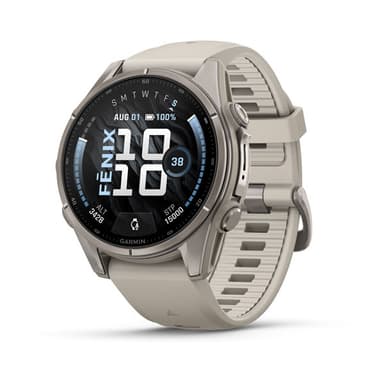
Garmin
Fenix 9 43mm
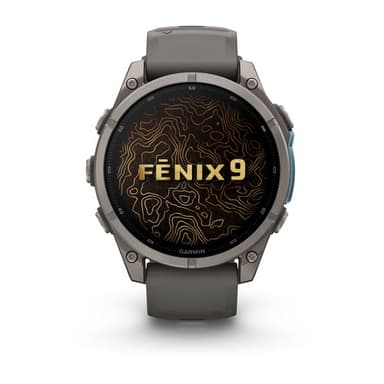
Garmin
Fenix 9 47mm
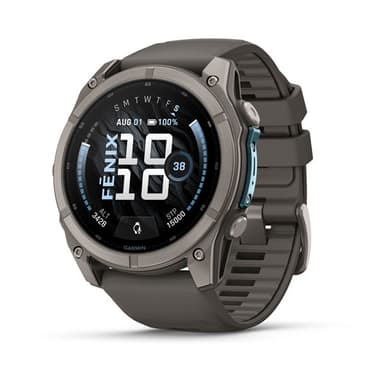
Garmin
Fenix 9 51mm
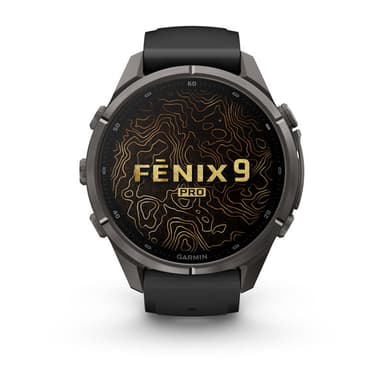
Garmin
Fenix 9 Pro 43mm
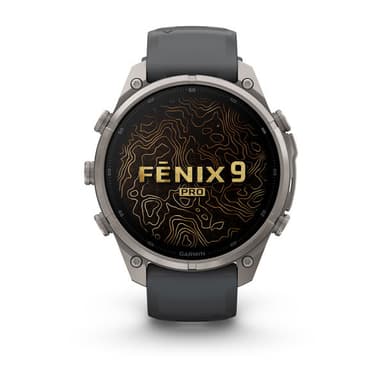
Garmin
Fenix 9 Pro 47mm
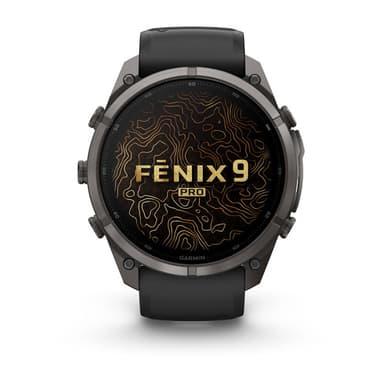
Garmin
Fenix 9 Pro 51mm
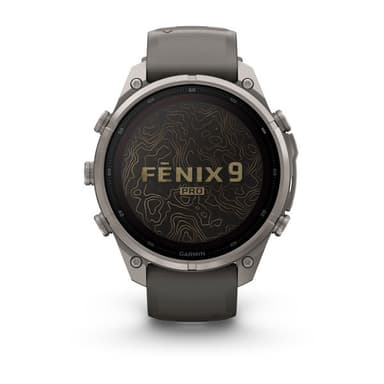
Garmin
Fenix 9 Pro Solar 47mm
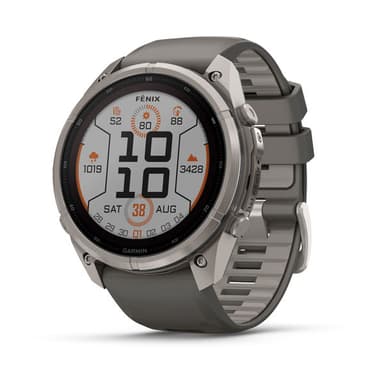
Garmin
Fenix 9 Pro Solar 51mm
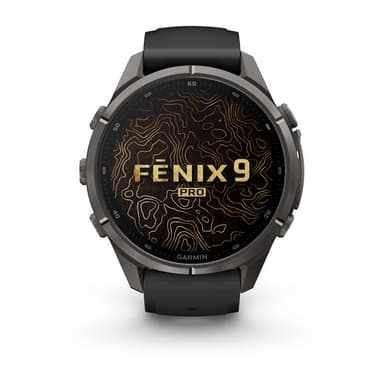
Garmin
Fenix 9 Pro inReach 43mm
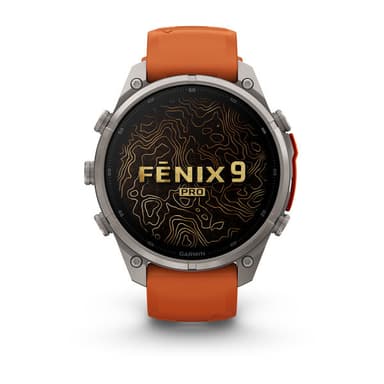
Garmin
Fenix 9 Pro inReach 47mm
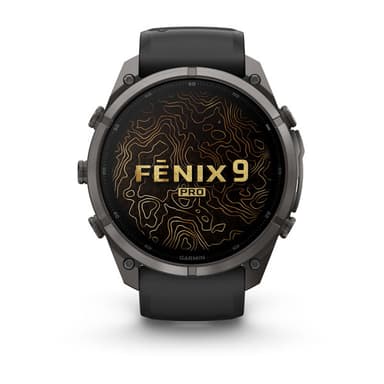
Garmin
Fenix 9 Pro inReach 51mm
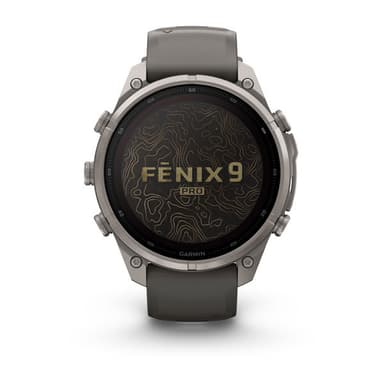
Garmin
Fenix 9 Pro inReach Solar 47mm
Garmin
Fenix 9 Pro inReach Solar 51mm
Garmin
CIRQA Smart Band
Garmin
Forerunner 170
Garmin
Forerunner 170 Music
Garmin
Forerunner 70
Xiaomi
Watch 5
2D Dimension Schematics
Every case drawn to scale on a shared centre — from above, and in profile against the wrist.
Pick a watch to draw its case at true scale — add a second and the two outlines land on one shared centre.
Choose watches3D On-Wrist Try-On
Your selections on a wrist scaled to your own measurement. Rotate it, or jump to the view down the arm to see whether the lugs clear your wrist edges — the thing a drawing on a page can never show.
How to Use the Fit Tool
Our specialized Sports Watch Fit Tool focuses on the most critical dimension for fit: Lug-to-Lug (L2L) distance. Follow these steps to accurate results.
1. Select Watch or Custom
Search for your watch model. If it's not in our database, you can add custom dimensions manually to check the fit.
2. Measure Width
Measure the flat width of your wrist across the top. Do not use circumference. This is the landing strip your watch sits on.
Wrist Width Measurement Guide →3. Check Ratio
We calculate the ratio of the watch's length to your wrist width. Ideally, you want the watch to occupy 70-95% of your wrist width.
4. Review Zone
See which zone you fall into. Bold (95-100%) means maximum presence. Overhang (>100%) means the lugs extend past your wrist.
How to Measure Your Wrist Size for a Watch
To get the perfect fit, it is important to accurately measure your wrist for two key dimensions: your Wrist Width (for case size) and Circumference (for strap length).
1. Wrist Width (Flat Top)
Essential for avoiding overhang. This is the flat surface available on top of your wrist where the watch case actually sits.
Place your arm on a table with your palm facing up.
Using a ruler or caliper, measure the flat distance across the top of your wrist.
Do not include the curvature of the sides. We only want the flat width.
This measurement helps compare against a watch's Lug-to-Lug distance.

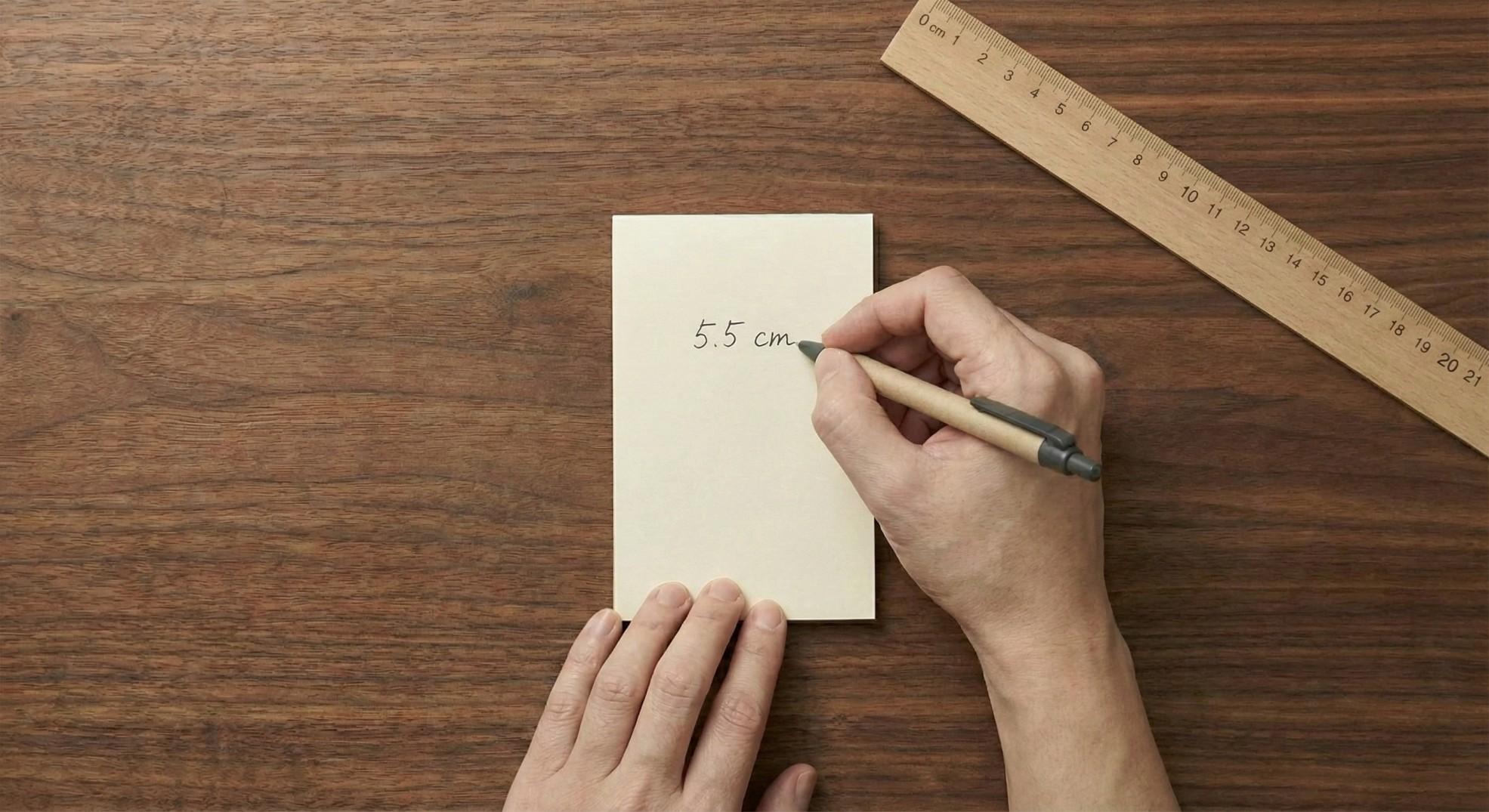
Click any image to enlarge
2. Wrist Circumference
Crucial for strap sizing. This determines the total length of the band you need for a comfortable fit around your wrist.
Wrap a flexible measuring tape around your wrist bone.
Pull it snug but not tight against your skin.
Check the measurement where the tape overlaps.
If you don't have a tape, use a string and measure it against a ruler afterwards.

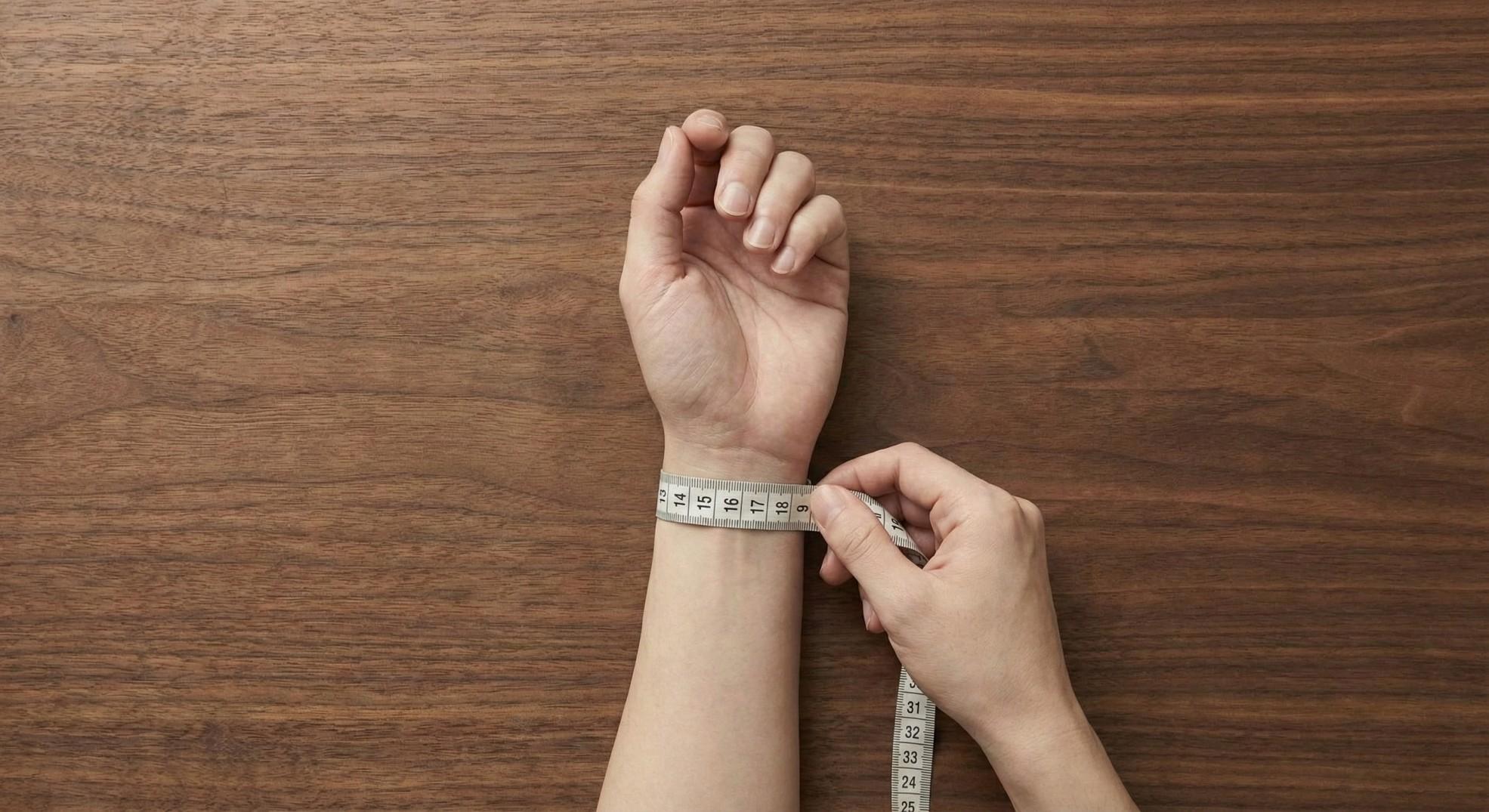
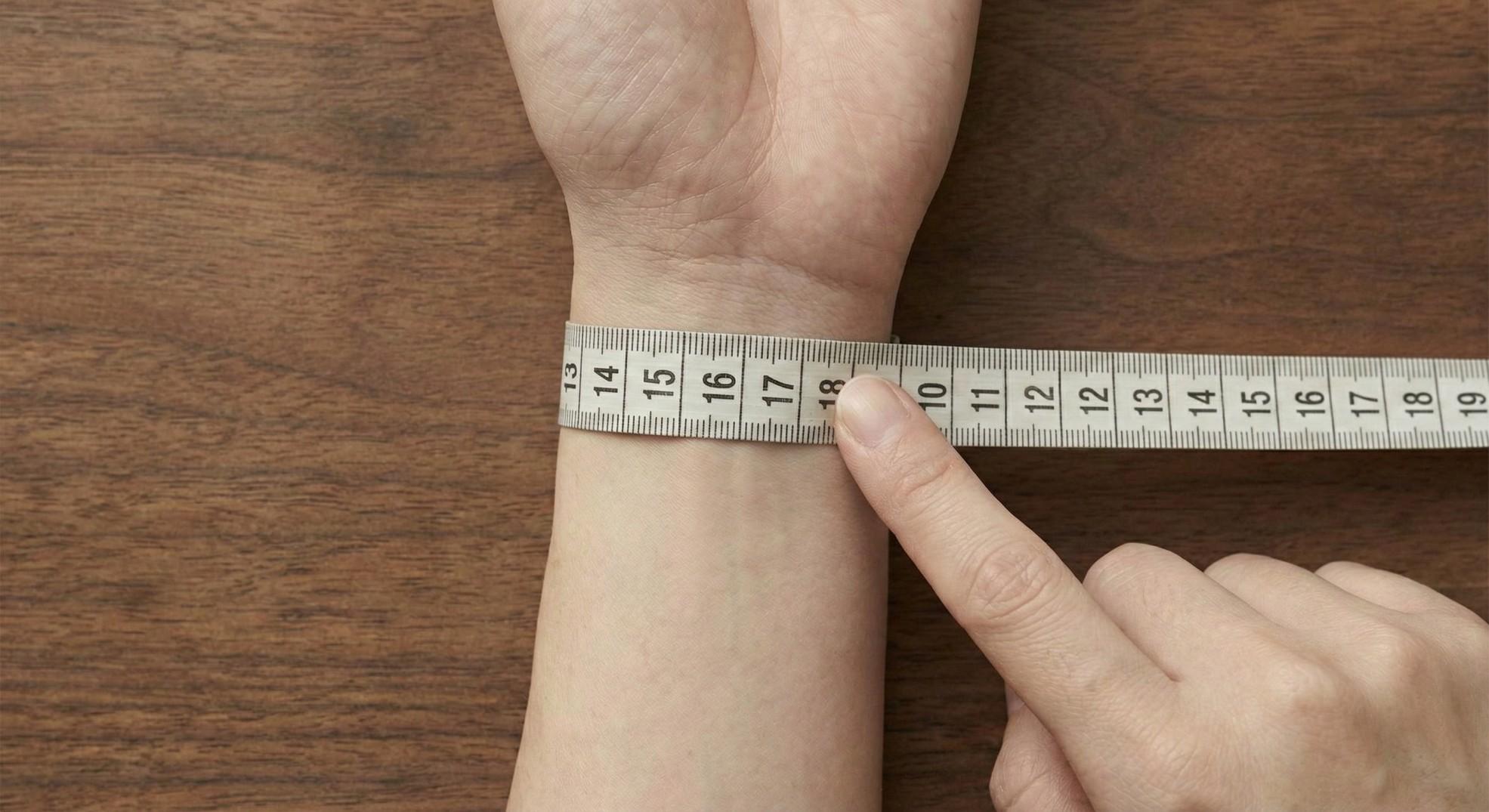
Click any image to enlarge
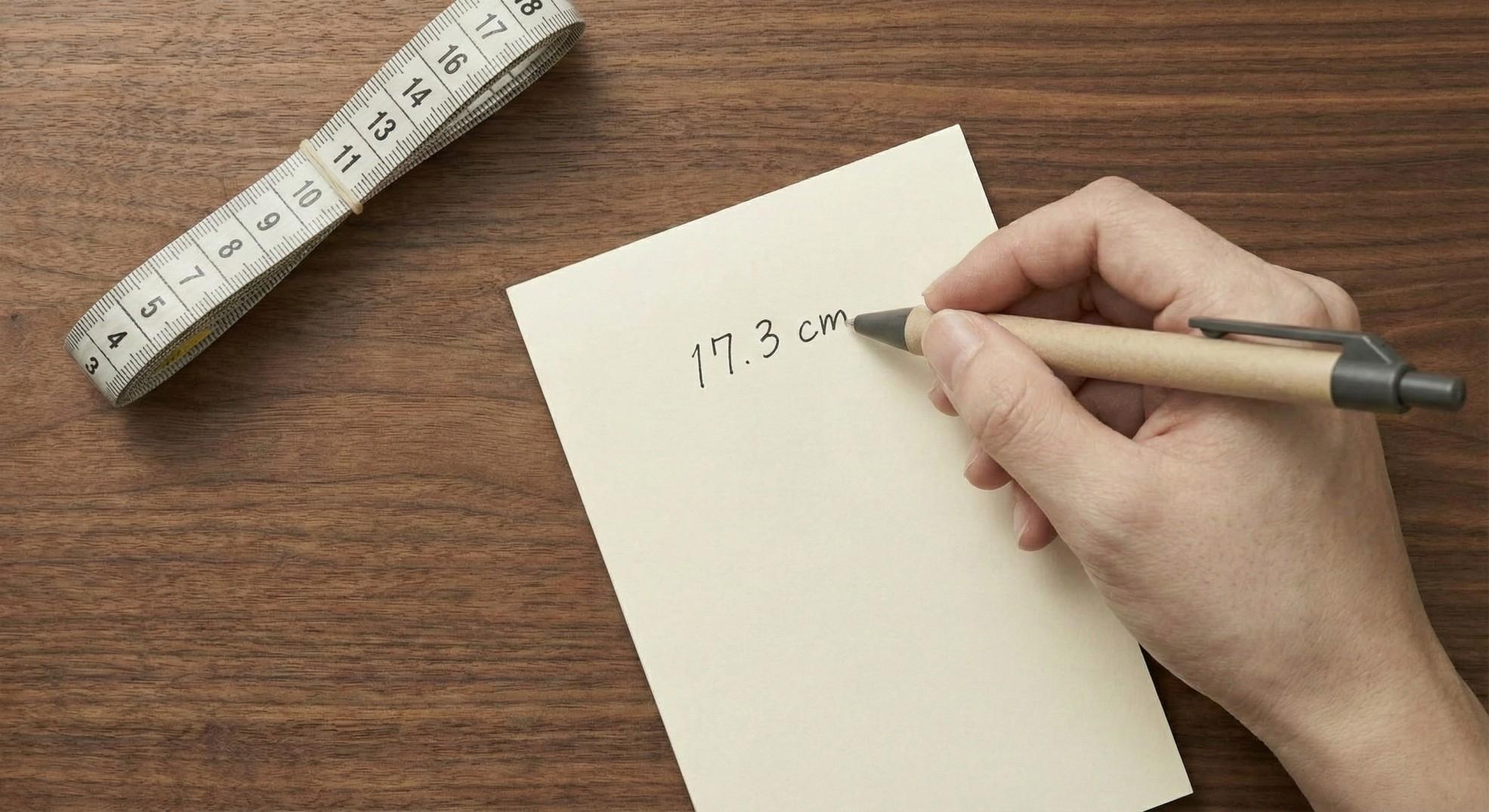
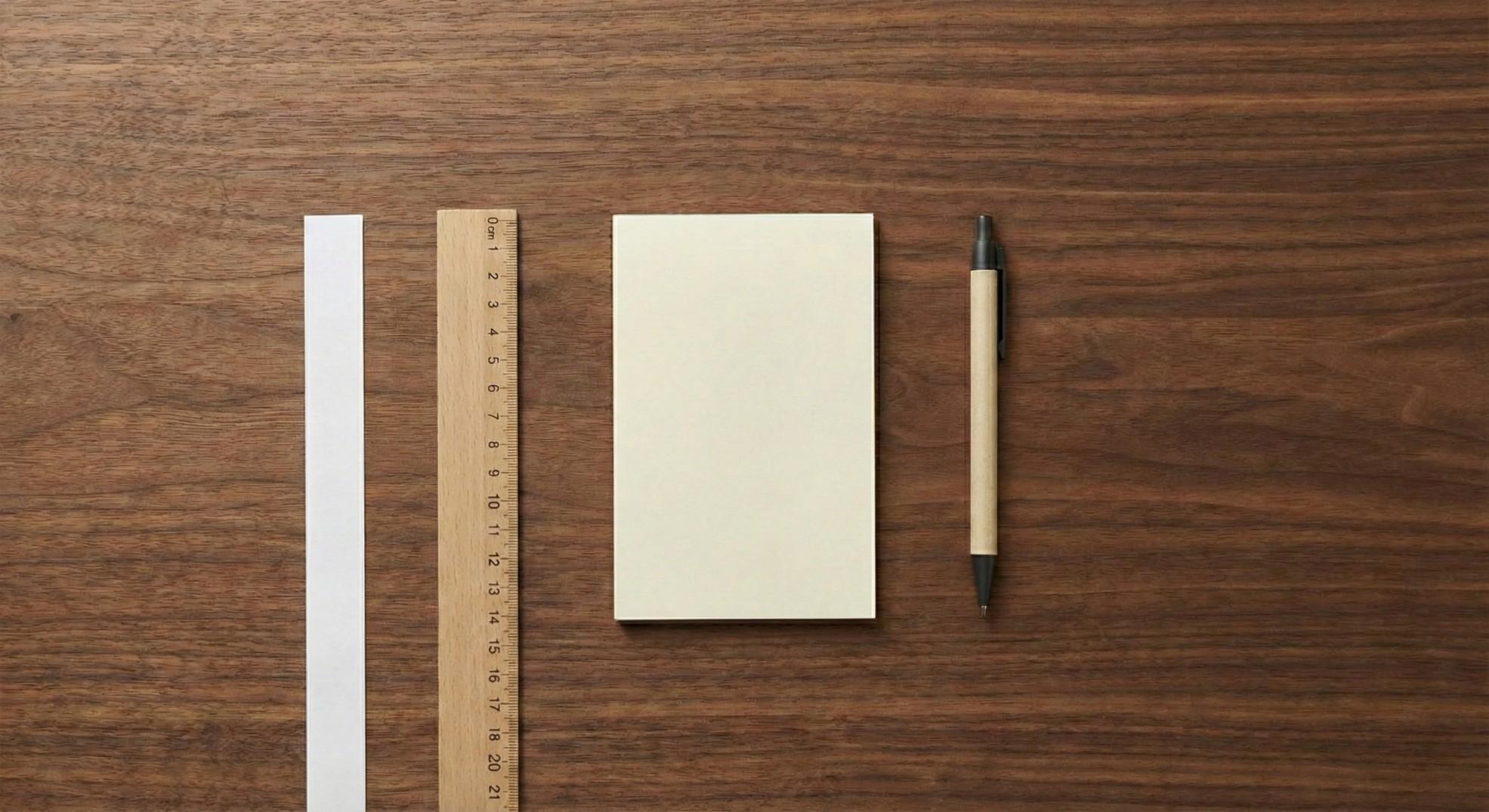
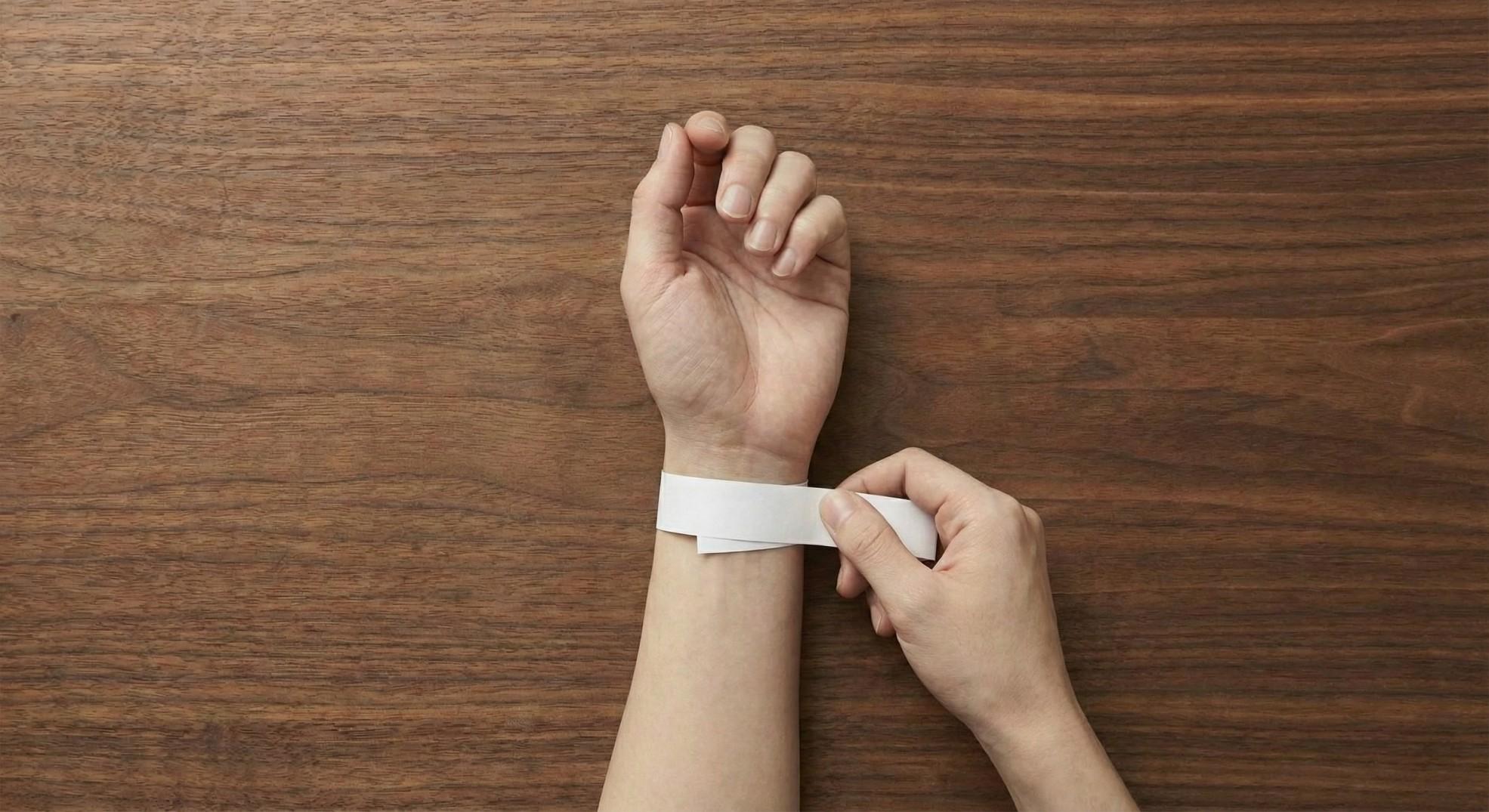
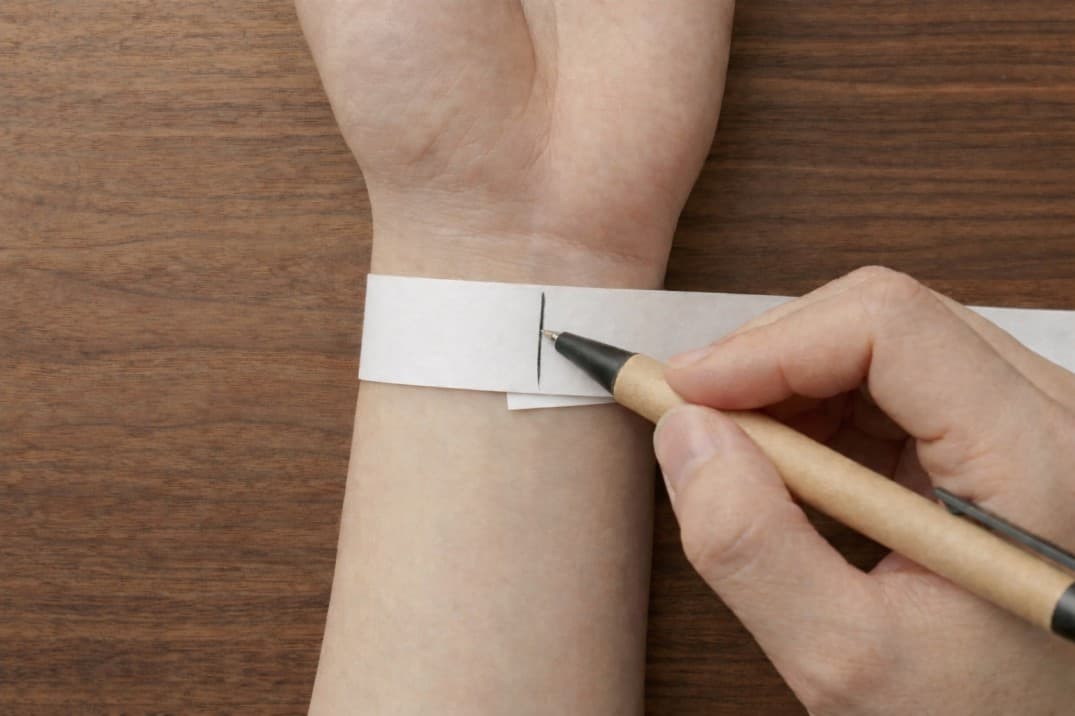
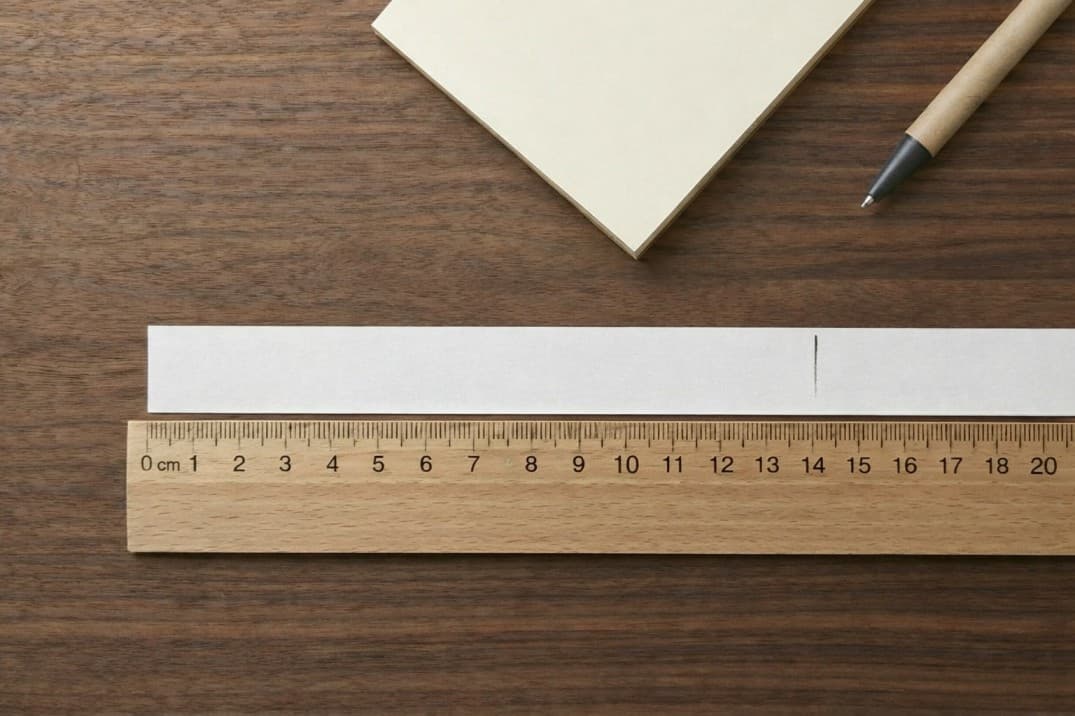
3. Paper Strip Method
No measuring tape? No problem. Use a simple strip of paper and a standard ruler to get an accurate circumference measurement.
Cut a thin strip of paper and wrap it snugly around your wrist bone.
Mark the exact point where the paper overlaps with a pen or pencil.
Lay the marked strip flat on a level surface.
Measure the distance from the start of the strip to your mark using a ruler.
Click any image to enlarge
Watch Dimensions Guide
Finding the perfect watch fit goes beyond just the case diameter. Understanding these three key dimensions will help you predict how any watch will sit on your wrist.
Width
The case diameter excluding crown and pushers. For rectangular watches, this measures the horizontal width from 9 to 3 o'clock.
Height (Lug-to-Lug)
The vertical distance from lug tip to lug tip. Critical for comfort - ensure this measurement is smaller than your wrist width to avoid overhang.
Thickness
The profile depth from caseback to crystal. Thinner watches (<10.0mm) slide under cuffs, while thicker ones (13.0mm+) offer more wrist presence.
Watch Band Size Chart & Strap Length Guide
Use this watch band size chart to find the right strap length for your wrist. Unlike case size (aesthetic preference), band length is purely about comfort and security.
Width vs. Length
Lug Width (A): The distance between the horns of the watch. This determines if the strap physically attaches (e.g., 20.0mm, 22.0mm).
Strap Length (B): The combined length of the two strap pieces (e.g., 120.0mm/80.0mm). This determines if it fits around your wrist.
Measure Your Wrist
Use a soft measuring tape or a string. Wrap it comfortably around your wrist bone. If using string, measure the length against a ruler.
View Wrist Measurement Guide & Paper Strip Method →Pro Tip: Measure at the point where you wear your watch usually just above the wrist bone.
Strap Length Calculator
Standard industry size. Most stock straps will fit you perfectly on the middle holes.
Note: This guide assumes a standard watch case size (~40.0mm-42.0mm). Very large watches (47.0mm+) effectively add length, so you might need a shorter strap.
Frequently Asked Questions
Everything you need to know about watch sizing and our comparison tools.
What size watch should I get for my wrist?
The most reliable rule of thumb: choose a watch case diameter that is 5–10mm smaller than your flat wrist width. For example, if your wrist measures 70mm across the top, a 40–42mm case will sit comfortably without overhanging the sides. Use our interactive comparison tool to see exactly how any watch sits on your specific wrist measurements.
Why does lug-to-lug matter?
Case diameter tells you how wide the watch is, but lug-to-lug (the vertical distance between the strap attachments) determines whether the watch overhangs your wrist. This is often the most critical dimension for real-world comfort. Use our Wrist Fit tool to input your wrist width and see for yourself.
Does watch thickness matter for comfort?
Yes. Thicker watches feel taller and heavier and may catch on sleeves. Slim watches tend to wear smaller and more comfortably, especially on narrow wrists.
Can strap type change how a watch fits?
Absolutely. Metal bracelets add weight and structure, while leather, rubber, or fabric straps flex and can make a watch feel smaller. Strap width and taper also influence overall balance on the wrist.

Built by Tech Enthusiast
Full-stack developer and smartwatch enthusiast. That's me in the photo, personally validating the "Overhang" algorithm. If the lugs hang off my wrist, they'll hang off yours too.