Amazfit Watch Battery Life Comparison
Amazfit sells the longest-lasting mainstream smartwatches you can buy: the Bip line runs for weeks on a charge, and even the AMOLED GTR and Balance models are quoted in double-digit days. The figures below are the manufacturer’s own, normalised so a model quoted in hours can be compared with one quoted in days.
Top 10 Amazfit watches by battery life
- 1
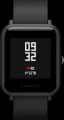 Bip Lite45days
 - 2
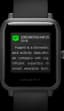 Bip S40days
 - 3
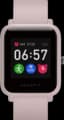 Bip S Lite30days
 - 4
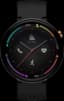 Nexo28days
 - 5
 GTR 2e24days
 - 6
 Balance 221days
 - 7
 GTR 321days
 - 8
 Verge Lite20days
 - 9
 T-Rex Pro18days
 - 10
 Active Edge16days
Amazfit battery life, ranked
The extremes of the range on each figure Amazfit publishes. Every number below is the manufacturer's own rating, not a measured result.
Longest-lasting Amazfit watches
Most days per charge in everyday use
- 1Bip Lite45 days
- 2Bip S40 days
- 3Bip S Lite30 days
- 4Nexo28 days
- 5GTR 2e24 days
Best Amazfit watches for GPS endurance
Most hours of continuous tracking
- 1
 GTR 4 Limited Edition336 hours
 - 2
 Stratos 370 hours
 - 3
 GTR 248 hours
 - 4
 Verge45 hours
 - 5
 GTR 444 hours
Longest Amazfit watches in power-save mode
How far a charge stretches with features stripped back
- 1Bip S Lite90 days
- 2
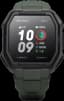 Ares90 days
 - 3
 Balance50 days
 - 4
 GTS46 days
 - 5
 GTS - global version46 days
Affiliate disclosure: As an Amazon Associate, WatchFitTool earns from qualifying purchases. If you buy through links on this page, we may earn a commission at no extra cost to you. Learn more.
Every Amazfit watch, side by side
Sort by everyday runtime, GPS hours, power-save mode or cell size. Figures quoted in days and in hours are normalised to the same scale, so the columns can be ranked against each other.
As an Amazon Associate, WatchFitTool earns from qualifying purchases.
Showing 54 of 54 Amazfit models with published battery figures.
| # | Model | Everyday use | GPS tracking | Power save | Capacity | Links |
|---|---|---|---|---|---|---|
| 1 | Bip LiteBip · 2019 | 45days | N/A | N/A | 200 mAh | |
| 2 | Bip SBip · 2020 | 40days | 22hours | N/A | 200 mAh | |
| 3 | Bip S LiteBip · 2020 | 30days | N/A | 90days | 200 mAh | |
| 4 | NexoNexo · 2019 | 28days | N/A | N/A | 420 mAh | |
| 5 | GTR 2eGTR · 2020 | 24days | N/A | N/A | 471 mAh | |
| 6 | Balance 2Balance · 2025 | 21days | 33hours | 2.8days | 658 mAh | |
| 7 | GTR 3GTR · 2021 | 21days | 35hours | 35days | 450 mAh | |
| 8 | Verge LiteVerge · 2019 | 20days | 40hours | N/A | 390 mAh | |
| 9 | T-Rex ProT-Rex · 2021 | 18days | 40hours | N/A | 390 mAh | |
| 10 | Active EdgeActive · 2023 | 16days | 20hours | 24days | 370 mAh | |
| 11 | 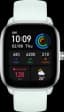 GTS 4 MiniGTS · 2022 GTS 4 MiniGTS · 2022 | 15days | 21hours | N/A | 270 mAh | |
| 12 |  Zepp ZZepp · 2020 Zepp ZZepp · 2020 | 15days | N/A | N/A | 340 mAh | |
| 13 |  Bip 6Bip · 2025 Bip 6Bip · 2025 | 14days | 32hours | 26days | 340 mAh | |
| 14 |  ActiveActive · 2023 ActiveActive · 2023 | 14days | 16hours | 30days | 300 mAh | |
| 15 | BalanceBalance · 2023 | 14days | 26hours | 50days | 475 mAh | |
| 16 | GTR 4 Limited EditionGTR · 2023 | 14days | 336hours | 28days | 475 mAh | |
| 17 |  GTR MiniGTR · 2023 GTR MiniGTR · 2023 | 14days | 25hours | 30days | 280 mAh | |
| 18 |  FalconFalcon · 2022 FalconFalcon · 2022 | 14days | 21hours | 30days | 500 mAh | |
| 19 |  Bip 3 ProBip · 2022 Bip 3 ProBip · 2022 | 14days | N/A | N/A | 280 mAh | |
| 20 |  Bip 3Bip · 2022 Bip 3Bip · 2022 | 14days | N/A | N/A | 280 mAh | |
| 21 |  GTR 2 (2022)GTR · 2022 GTR 2 (2022)GTR · 2022 | 14days | N/A | N/A | 471 mAh | |
| 22 |  GTS 2 Mini (2022)GTS · 2022 GTS 2 Mini (2022)GTS · 2022 | 14days | N/A | N/A | 220 mAh | |
| 23 |  GTS 2eGTS · 2020 GTS 2eGTS · 2020 | 14days | N/A | N/A | 246 mAh | |
| 24 |  GTS 2 MiniGTS · 2020 GTS 2 MiniGTS · 2020 | 14days | N/A | N/A | 220 mAh | |
| 25 | GTSGTS · 2019 | 14days | 25hours | 46days | 220 mAh | |
| 26 | GTS - global versionGTS · 2019 | 14days | 25hours | 46days | 220 mAh | |
| 27 | GTR 4GTR | 14days | 44hours | 24days | 475 mAh | |
| 28 |  GTR 4 NewGTR GTR 4 NewGTR | 14days | 44hours | 24days | 475 mAh | |
| 29 | AresAres · 2020 | 13days | 23hours | 90days | 200 mAh | |
| 30 |  Pop 3RPop · 2023 Pop 3RPop · 2023 | 12days | N/A | N/A | — | |
| 31 |  Pop 3SPop · 2023 Pop 3SPop · 2023 | 12days | N/A | N/A | 300 mAh | |
| 32 |  GTR 3 ProGTR · 2021 GTR 3 ProGTR · 2021 | 12days | 35hours | 30days | 450 mAh | |
| 33 |  GTS 3GTS · 2021 GTS 3GTS · 2021 | 12days | 20hours | 20days | 250 mAh | |
| 34 |  GTRGTR · 2019 GTRGTR · 2019 | 12days | 40hours | N/A | 410 mAh | |
| 35 | GTR 2GTR · 2020 | 11days | 48hours | 38days | 471 mAh | |
| 36 |  Bip 5 UnityBip Bip 5 UnityBip | 11days | N/A | 26hours | 300 mAh | |
| 37 |  Active 2Active · 2025 Active 2Active · 2025 | 10days | 21hours | 19days | 270 mAh | |
| 38 |  Bip 5Bip · 2023 Bip 5Bip · 2023 | 10days | N/A | 26days | 300 mAh | |
| 39 |  Pop 2Pop · 2022 Pop 2Pop · 2022 | 10days | N/A | N/A | — | |
| 40 |  Bip U ProBip · 2021 Bip U ProBip · 2021 | 9days | N/A | N/A | 230 mAh | |
| 41 |  Pop ProPop · 2020 Pop ProPop · 2020 | 9days | N/A | N/A | 225 mAh | |
| 42 |  PopPop · 2020 PopPop · 2020 | 9days | N/A | N/A | 225 mAh | |
| 43 |  Bip UBip · 2020 Bip UBip · 2020 | 9days | N/A | N/A | 225 mAh | |
| 44 |  Cheetah SquareCheetah · 2023 Cheetah SquareCheetah · 2023 | 8days | 13hours | 28hours | 240 mAh | |
| 45 |  GTS 4GTS · 2022 GTS 4GTS · 2022 | 8days | 16hours | 16days | 300 mAh | |
| 46 |  XX · 2020 XX · 2020 | 7days | N/A | N/A | 205 mAh | |
| 47 |  GTS 2GTS · 2020 GTS 2GTS · 2020 | 7days | 25hours | 20days | 246 mAh | |
| 48 | Stratos 3Stratos · 2019 | 7days | 70hours | 14days | 300 mAh | |
| 49 |  Smartwatch 2Smartwatch · 2019 Smartwatch 2Smartwatch · 2019 | 5days | N/A | N/A | 420 mAh | |
| 50 |  Smartwatch 2 ECGSmartwatch · 2019 Smartwatch 2 ECGSmartwatch · 2019 | 5days | N/A | N/A | 420 mAh | |
| 51 | VergeVerge · 2018 | 5days | 45hours | N/A | 390 mAh | |
| 52 |  Stratos PlusStratos · 2018 Stratos PlusStratos · 2018 | 5days | 35hours | N/A | 290 mAh | |
| 53 |  Pace 2sPace · 2017 Pace 2sPace · 2017 | 5days | N/A | N/A | 290 mAh | |
| 54 |  Verge 2Verge · 2019 Verge 2Verge · 2019 | 3days | N/A | N/A | 420 mAh |
All figures are manufacturer ratings for the model as sold. Brands measure each mode under their own usage profile, so a power-saving figure occasionally falls below the everyday one — that reflects how the two were tested, not a fault in the watch. Real-world runtime depends on the always-on display, workout frequency and how many sensors are left enabled.
What actually drains the battery on Amazfit watches
Two models with the same battery can be a week apart in practice. These are the four things that decide which side of the gap a watch lands on.
Screen technology sets the ceiling
The multi-week Bip and Pop models use low-power transflective LCDs. The GTR, GTS and Balance lines use AMOLED, which looks far better and costs days of runtime — most of the gap between a 30-day and a 14-day Amazfit is the panel, not the cell.
Always-on display is the biggest switch
Amazfit quotes its headline figure with the screen asleep between raises. Leaving the always-on watch face enabled typically cuts the quoted runtime by roughly half on AMOLED models, which is why real-world reports so often land under the spec sheet.
GPS is a different budget entirely
Continuous GPS is quoted separately, in hours, because the receiver dominates draw once it is on. A model rated for weeks of everyday wear may still only record 20–40 hours of tracking — that is the number to check if you run ultras or tour on a bike.
Battery-saver is a mode, not a setting
Power-saving mode drops the watch to timekeeping plus step counting and disables the heart-rate sensor and connected features. It is what the very long figures in the last column describe, and not a state you would live in day to day.
Amazfit battery life FAQ
Which Amazfit watch has the longest battery life?
The Bip Lite, at 45 days in everyday use — the highest figure Amazfit publishes across the 54 models in our database. The typical Amazfit sits at 14 days, so it is a genuine outlier rather than a marginal win.
Are Amazfit battery claims realistic?
They are measured under a defined usage profile — a set number of notifications, screen raises and heart-rate samples per day — rather than being invented, but that profile is lighter than most people's. Expect roughly 60–80% of the quoted figure with the always-on display off, and closer to half of it with always-on enabled or continuous SpO2 and heart-rate monitoring switched on.
Why does an AMOLED Amazfit last so much less than a Bip?
An AMOLED panel lights individual pixels and needs far more power than the transflective LCD in the Bip and Pop lines, which reflects ambient light and only draws meaningfully when backlit. The trade is deliberate: you buy a Bip for weeks of runtime and a GTR or Balance for a screen that is legible and sharp at any angle.
Does Amazfit charge faster than other brands?
Most models take about two hours from flat on the magnetic puck, and none support Qi wireless charging on the phone-charger sense of the term. Because the intervals between charges are long, charge time matters less here than it does on a watch you top up nightly.
How does Amazfit battery life compare with Garmin and Samsung?
Amazfit sits between the two, and often ahead of both on everyday runtime for the money: its transflective models rival Garmin's multi-week Instinct line, while its AMOLED models last several times longer than a Galaxy Watch. Garmin still leads on GPS endurance and solar charging, which Amazfit does not offer.
Which Amazfit watch lasts longest with GPS on?
The GTR 4 Limited Edition, rated for 14 days of continuous tracking. GPS runtime is quoted separately from everyday runtime and the two rank differently, so a model that leads on days per charge is not automatically the one to take to a long event.
Does a bigger battery mean a longer-lasting Amazfit watch?
Not on its own. The Balance 2 has the largest cell in the range at 658 mAh, but screen technology and how much the watch does in the background matter at least as much — which is why models with smaller batteries can outlast it. Sort the table by capacity and then by everyday use to see how loosely the two track each other.
Which Amazfit lasts longest?
The Bip and Pop families take the top places by a wide margin, because they pair small, efficient transflective screens with batteries sized for far hungrier hardware. If the goal is simply to stop thinking about charging, those are the models to look at — and they are also the cheapest in the range.
Among the AMOLED models, the T-Rex and Balance lines lead: rugged cases leave room for larger cells, so they hold a multi-day figure that the slimmer GTS models cannot. The table above sorts on any column, so you can rank the range on the mode that matches how you would actually wear the watch.
Reading the GPS column
GPS runtime is the figure that decides whether a watch survives an event, and it has almost no relationship to the everyday number beside it. Amazfit quotes continuous positioning with the display in its default state; adding music playback or route navigation reduces it further.
For a marathon almost anything in the range is sufficient. For an ultra, a long tour or a multi-day hike, sort by GPS tracking and read the top of the list rather than the headline days.